













La storia di una famiglia britannica alle prese con la malattia di Erdheim-Chester.
Di Chesnee Green
13 settembre 2018
I pazienti affetti dalla malattia di Erdheim-Chester (ECD) combattono una battaglia quotidiana per la loro salute mentale e fisica. Allo stesso modo, anche chi li assiste combatte una battaglia quotidiana. Molte volte, la storia che si cela dietro le quinte e dietro la malattia non viene raccontata né ascoltata. Un caregiver ha gentilmente accettato di raccontare la complessa storia che si cela dietro le quinte e che i caregiver affrontano ogni giorno.
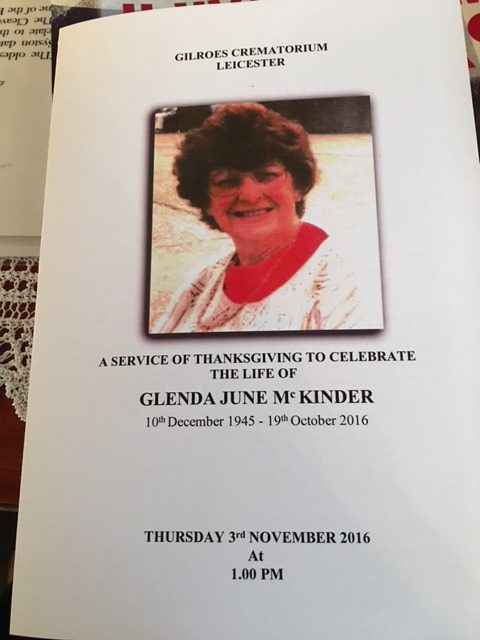
La storia di Lynda Rowland racconta in dettaglio la sua vita come badante della sua amata sorella Glenda e le difficoltà che la famiglia ha dovuto affrontare.
Nearly ten years prior to Glenda’s diagnosis and twelve years prior to her untimely death, her ECD journey began. Lynda and family members began to notice slight changes in Glenda’s behavior, such as eating outdated foods, leaving cooking surfaces on, not getting off the bus at her regular stops that she had been using for 13-years, constant thirst, and constantly feeling like she had flu-symptoms. Glenda would even do strange things followed by inappropriate laughter.
Being a normal, sweet, hard-working middle-aged woman, these actions were simply out of the norm, strange, and concerning. The family would call Glenda “dozey” and said that it was just her “funny age.” Unfortunately, these “funny age” actions only worsened and caused even more concern to the family. The excessive thirst was so intense, Glenda began drinking anything and everything that she could get her hands on. Her balance was also becoming less controllable. These two symptoms together left Lynda to think that her sister had just became an alcoholic. Little did they know at the time this was not the case.
Due to government cutbacks, medical resources were not readily available. Lynda thought that a brain tumor could be the cause of Glenda’s new rash behaviors. With a lack of government funding and her doctors believing it was a brain bleed, there were no further tests and believed that it would go away with time.
Like many others, the symptoms didn’t go away, rather they worsened and so did the stress on the family. The symptoms compiled: coughing/choking when eating or drinking, no balance and falling over, bladder failure, bowel incontinence, excessive drooling, more infections, hallucinations, and even more hospitalizations. At one point they catheterized Glenda, which only created more issues. Glenda would tug at the catheter, empty it at inappropriate times and places, or simply didn’t empty it at all. This was very taxing on the family. At this point, she was diagnosed with multi-infarct dementia.
Mentre la famiglia lottava, cercava sostegno! Glenda all’epoca aveva circa 50 anni e semplicemente non esisteva alcun gruppo di sostegno adatto alla sua fascia d’età o alle esigenze della famiglia. L’unico sostegno disponibile non forniva in realtà alcun sollievo. Poiché Glenda era considerata mentalmente in grado di prendere le proprie decisioni, spesso si soffocava con cibi e bevande mentre era affidata alle cure di questi assistenti. Sebbene la famiglia avesse comunicato agli assistenti che Glenda non poteva assumere determinati cibi o bevande, l’assistente era obbligato a seguire i desideri e le esigenze di Glenda.
After nearly 10 years of struggling, “Then the real stuff started to kick in…” says Lynda. Glenda could no longer walk, was doubly incontinent, had a damaged throat from regular choking, and a body structure that mimicked multiple sclerosis. Seeing doctor after doctor, as well as Lynda and the family’s persistence, finally paid-off. They were given a proper diagnosis of Erdheim-Chester Disease.
The diagnosis came as a total shock, after so many years of heartache and not knowing what they were dealing with. Living in the unknown can be very challenging on the body and the mind, but the diagnosis didn’t end the struggle. The diagnosis was not found soon enough to benefit from the drugs that help ECD patients regain some control of their health.
Glenda avrebbe dovuto essere ricoverata presto in una casa di cura. Le figlie di Glenda erano così terrorizzate all’idea che potesse morire soffocata che la situazione era diventata letteralmente un incubo per tutta la famiglia. La settimana prima di morire, Glenda disse a Lynda che era stanca di tutto questo, stanca di lottare. Il 19 ottobre 2016, nel giorno del compleanno di sua nipote, Glenda è venuta a mancare.
ECD is not only a battle for the patient, it is a struggle for the caregivers and families that surround them. Early diagnosis is very important for ECD patients, as the long-term damage to their organs can often not be reversed.
“La cura è uno stato in cui qualcosa ha davvero importanza; è la fonte della tenerezza umana.” – Rollo May