









מה עברה משפחה אחת בבריטניה שהתמודדה עם מחלת ארדהיים-צ'סטר.
מאת צ'סני גרין
13 בספטמבר 2018
חולי מחלת ארדהיים-צ'סטר (ECD) מנהלים מאבק יומיומי על בריאותם הנפשית והגופנית. כמו כן, גם המטפלים מנהלים מאבק יומיומי. לעתים קרובות, הסיפור שמאחורי הקלעים – זה שמסתתר מאחורי המחלה – אינו מסופר ואינו נשמע. מטפלת אחת הסכימה בנדיבותה לספר את הסיפור המורכב, המתרחש מאחורי הקלעים, שאיתו מתמודדים המטפלים מדי יום.
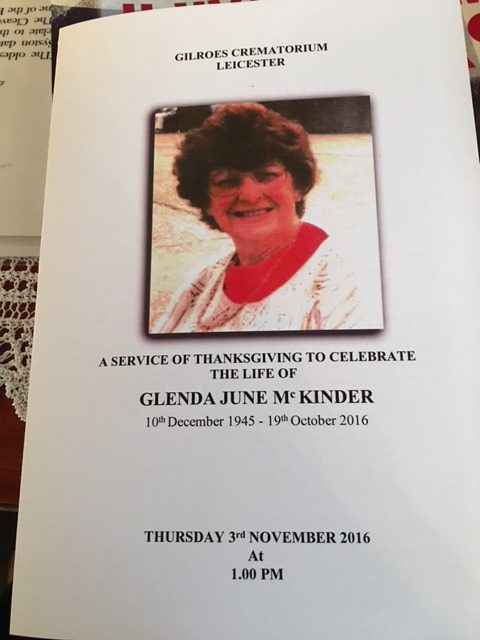
סיפורה של לינדה רולנד מתאר בפירוט את חייה כמטפלת באחותה האהובה גלנדה, ואת הקשיים שעמם נאלצה המשפחה להתמודד.
Nearly ten years prior to Glenda’s diagnosis and twelve years prior to her untimely death, her ECD journey began. Lynda and family members began to notice slight changes in Glenda’s behavior, such as eating outdated foods, leaving cooking surfaces on, not getting off the bus at her regular stops that she had been using for 13-years, constant thirst, and constantly feeling like she had flu-symptoms. Glenda would even do strange things followed by inappropriate laughter.
Being a normal, sweet, hard-working middle-aged woman, these actions were simply out of the norm, strange, and concerning. The family would call Glenda “dozey” and said that it was just her “funny age.” Unfortunately, these “funny age” actions only worsened and caused even more concern to the family. The excessive thirst was so intense, Glenda began drinking anything and everything that she could get her hands on. Her balance was also becoming less controllable. These two symptoms together left Lynda to think that her sister had just became an alcoholic. Little did they know at the time this was not the case.
Due to government cutbacks, medical resources were not readily available. Lynda thought that a brain tumor could be the cause of Glenda’s new rash behaviors. With a lack of government funding and her doctors believing it was a brain bleed, there were no further tests and believed that it would go away with time.
Like many others, the symptoms didn’t go away, rather they worsened and so did the stress on the family. The symptoms compiled: coughing/choking when eating or drinking, no balance and falling over, bladder failure, bowel incontinence, excessive drooling, more infections, hallucinations, and even more hospitalizations. At one point they catheterized Glenda, which only created more issues. Glenda would tug at the catheter, empty it at inappropriate times and places, or simply didn’t empty it at all. This was very taxing on the family. At this point, she was diagnosed with multi-infarct dementia.
בעוד המשפחה נאבקה, היא חיפשה תמיכה! גלנדה הייתה אז בשנות ה-50 לחייה, ופשוט לא הייתה קבוצת תמיכה שהתאימה לקבוצת הגיל שלה או לצרכי המשפחה. התמיכה היחידה שהייתה זמינה לא סיפקה למעשה שום הקלה. מכיוון שגלנדה נחשבה כבעלת יכולת נפשית לקבל החלטות בעצמה, היא הייתה נחנקת לעתים קרובות ממזון ומשקאות בזמן שהייתה תחת השגחתם של המטפלים הללו. אף על פי שהמשפחה הודיעה למטפלים שגלנדה אינה יכולה לצרוך מזונות או משקאות מסוימים, המטפל היה מחויב לציית לרצונותיה ולצרכיה של גלנדה.
After nearly 10 years of struggling, “Then the real stuff started to kick in…” says Lynda. Glenda could no longer walk, was doubly incontinent, had a damaged throat from regular choking, and a body structure that mimicked multiple sclerosis. Seeing doctor after doctor, as well as Lynda and the family’s persistence, finally paid-off. They were given a proper diagnosis of Erdheim-Chester Disease.
The diagnosis came as a total shock, after so many years of heartache and not knowing what they were dealing with. Living in the unknown can be very challenging on the body and the mind, but the diagnosis didn’t end the struggle. The diagnosis was not found soon enough to benefit from the drugs that help ECD patients regain some control of their health.
בקרוב היה צורך להעביר את גלנדה לבית אבות. בנותיה של גלנדה חששו כל כך מהאפשרות שהיא תיחנק למוות, עד שהדבר הפך, פשוטו כמשמעו, לסיוט מתמשך עבור המשפחה. בשבוע שלפני מותה אמרה גלנדה ללינדה שהיא עייפה מכל זה, עייפה מהמאבק. ב-19 באוקטובר 2016, ביום הולדתה של אחייניתה, גלנדה הלכה לעולמה.
ECD is not only a battle for the patient, it is a struggle for the caregivers and families that surround them. Early diagnosis is very important for ECD patients, as the long-term damage to their organs can often not be reversed.
“אכפתיות היא מצב שבו יש לדברים חשיבות; היא מקור הרכות האנושית.” – רולו מיי