




एक यूके परिवार ने एर्डहाइम-चेस्टर रोग का सामना कैसे किया।.
चेस्नी ग्रीन द्वारा
१३ सितंबर, २०१८
Erdheim-Chester रोग (ECD) के मरीज अपनी मानसिक और शारीरिक सेहत के साथ रोज़ाना जंग लड़ रहे हैं। इसी तरह, देखभाल करने वाले भी रोज़ाना जंग लड़ रहे हैं। कई बार, पर्दे के पीछे/रोग के पीछे की कहानी न तो बताई जाती है और न ही सुनी जाती है। एक देखभालकर्ता ने बड़ी उदारता से वह जटिल, पर्दे के पीछे की कहानी बताने की सहमति दी है, जिसका सामना देखभालकर्ता हर दिन करते हैं।.
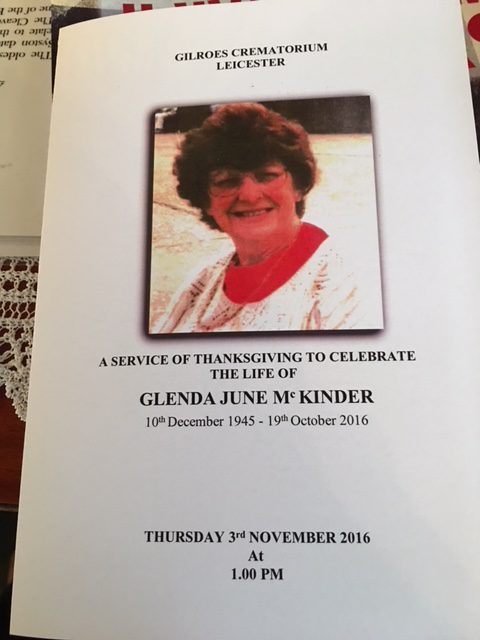
लिंडा रोलैंड की कहानी उनकी प्रिय बहन ग्लेन्डा की देखभाल करने वाली के रूप में उनके जीवन और परिवार को झेलनी पड़ी चुनौतियों का वर्णन करती है।.
Nearly ten years prior to Glenda’s diagnosis and twelve years prior to her untimely death, her ECD journey began. Lynda and family members began to notice slight changes in Glenda’s behavior, such as eating outdated foods, leaving cooking surfaces on, not getting off the bus at her regular stops that she had been using for 13-years, constant thirst, and constantly feeling like she had flu-symptoms. Glenda would even do strange things followed by inappropriate laughter.
Being a normal, sweet, hard-working middle-aged woman, these actions were simply out of the norm, strange, and concerning. The family would call Glenda “dozey” and said that it was just her “funny age.” Unfortunately, these “funny age” actions only worsened and caused even more concern to the family. The excessive thirst was so intense, Glenda began drinking anything and everything that she could get her hands on. Her balance was also becoming less controllable. These two symptoms together left Lynda to think that her sister had just became an alcoholic. Little did they know at the time this was not the case.
Due to government cutbacks, medical resources were not readily available. Lynda thought that a brain tumor could be the cause of Glenda’s new rash behaviors. With a lack of government funding and her doctors believing it was a brain bleed, there were no further tests and believed that it would go away with time.
Like many others, the symptoms didn’t go away, rather they worsened and so did the stress on the family. The symptoms compiled: coughing/choking when eating or drinking, no balance and falling over, bladder failure, bowel incontinence, excessive drooling, more infections, hallucinations, and even more hospitalizations. At one point they catheterized Glenda, which only created more issues. Glenda would tug at the catheter, empty it at inappropriate times and places, or simply didn’t empty it at all. This was very taxing on the family. At this point, she was diagnosed with multi-infarct dementia.
परिवार संघर्ष कर रहा था, इसलिए उन्होंने सहायता की तलाश की! उस समय ग्लेंडा पचास के दशक में थीं और उनकी आयु वर्ग या परिवार की जरूरतों के अनुरूप कोई सहायता समूह मौजूद नहीं था। उपलब्ध एकमात्र सहायता वास्तव में कोई राहत नहीं देती थी। क्योंकि ग्लेन्डा को अपने निर्णय लेने में मानसिक रूप से सक्षम माना जाता था, वह इन देखभाल करने वालों की देखरेख में अक्सर भोजन और पेय पदार्थों से दम घुटने की समस्या का सामना करती थी। हालांकि परिवार ने देखभाल करने वालों को बताया था कि ग्लेन्डा कुछ खाद्य पदार्थ या पेय पदार्थ नहीं ले सकती, फिर भी देखभाल करने वाले ग्लेन्डा की इच्छाओं और जरूरतों का पालन करने के लिए बाध्य थे।.
After nearly 10 years of struggling, “Then the real stuff started to kick in…” says Lynda. Glenda could no longer walk, was doubly incontinent, had a damaged throat from regular choking, and a body structure that mimicked multiple sclerosis. Seeing doctor after doctor, as well as Lynda and the family’s persistence, finally paid-off. They were given a proper diagnosis of Erdheim-Chester Disease.
The diagnosis came as a total shock, after so many years of heartache and not knowing what they were dealing with. Living in the unknown can be very challenging on the body and the mind, but the diagnosis didn’t end the struggle. The diagnosis was not found soon enough to benefit from the drugs that help ECD patients regain some control of their health.
ग्लेन्डा को जल्द ही नर्सिंग होम में रखना पड़ेगा। ग्लेन्डा की बेटियाँ इस बात से इतनी डरी हुई थीं कि वह घुटन से मर सकती है, कि यह सचमुच परिवार के लिए एक जीता-जागता दुःस्वप्न बन गया। ग्लेन्डा की मृत्यु से एक हफ्ता पहले उसने लिंडा से कहा कि वह इससे थक चुकी है, लड़ने से थक चुकी है। 19 अक्टूबर 2016 को, अपनी भतीजी के जन्मदिन पर, ग्लेंडा का निधन हो गया।.
ECD is not only a battle for the patient, it is a struggle for the caregivers and families that surround them. Early diagnosis is very important for ECD patients, as the long-term damage to their organs can often not be reversed.
“देखभाल एक ऐसी अवस्था है जिसमें किसी बात का महत्व होता है; यह मानवीय कोमलता का स्रोत है। रोलो मे