









一个英国家庭如何面对埃尔德海姆-切斯特病。.
作者:切斯妮·格林
2018年9月13日
埃尔德海姆-切斯特病(ECD)患者每天都在为自己的身心健康而奋斗。同样,护理人员也在每天进行着这样的奋斗。很多时候,那些发生在幕后、隐藏在疾病背后的故事,既未被讲述,也未被听闻。 一位照护者慷慨地应允,讲述了照护者每天都要面对的、错综复杂的幕后故事。.
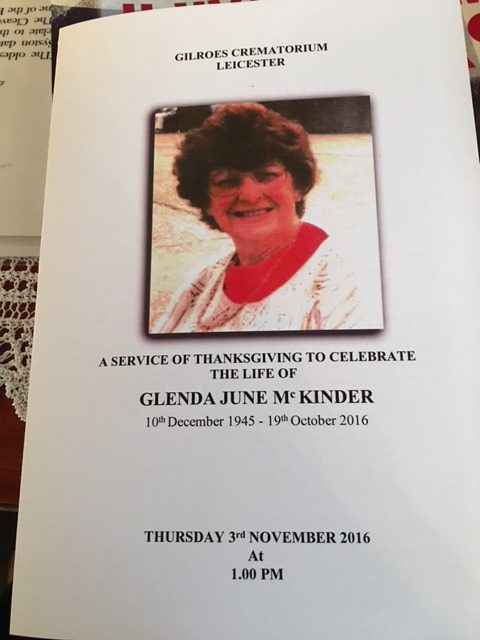
琳达·罗兰德的故事详细讲述了她作为深爱的妹妹格伦达的护理者所经历的生活,以及这个家庭不得不面对的种种困难。.
Nearly ten years prior to Glenda’s diagnosis and twelve years prior to her untimely death, her ECD journey began. Lynda and family members began to notice slight changes in Glenda’s behavior, such as eating outdated foods, leaving cooking surfaces on, not getting off the bus at her regular stops that she had been using for 13-years, constant thirst, and constantly feeling like she had flu-symptoms. Glenda would even do strange things followed by inappropriate laughter.
Being a normal, sweet, hard-working middle-aged woman, these actions were simply out of the norm, strange, and concerning. The family would call Glenda “dozey” and said that it was just her “funny age.” Unfortunately, these “funny age” actions only worsened and caused even more concern to the family. The excessive thirst was so intense, Glenda began drinking anything and everything that she could get her hands on. Her balance was also becoming less controllable. These two symptoms together left Lynda to think that her sister had just became an alcoholic. Little did they know at the time this was not the case.
Due to government cutbacks, medical resources were not readily available. Lynda thought that a brain tumor could be the cause of Glenda’s new rash behaviors. With a lack of government funding and her doctors believing it was a brain bleed, there were no further tests and believed that it would go away with time.
Like many others, the symptoms didn’t go away, rather they worsened and so did the stress on the family. The symptoms compiled: coughing/choking when eating or drinking, no balance and falling over, bladder failure, bowel incontinence, excessive drooling, more infections, hallucinations, and even more hospitalizations. At one point they catheterized Glenda, which only created more issues. Glenda would tug at the catheter, empty it at inappropriate times and places, or simply didn’t empty it at all. This was very taxing on the family. At this point, she was diagnosed with multi-infarct dementia.
在这段艰难时期,全家人四处寻求帮助!当时格伦达已年过五十,却根本找不到适合她这个年龄段或满足全家需求的互助团体。 当时唯一可获得的支援实际上并未带来任何缓解。由于格伦达被认为在精神上具备自主决策能力,因此在这些护理人员的照料下,她经常会因进食或饮水而噎住。尽管家人已告知护理人员格伦达不能食用某些食物或饮品,但护理人员仍必须遵从格伦达的意愿和需求。.
After nearly 10 years of struggling, “Then the real stuff started to kick in…” says Lynda. Glenda could no longer walk, was doubly incontinent, had a damaged throat from regular choking, and a body structure that mimicked multiple sclerosis. Seeing doctor after doctor, as well as Lynda and the family’s persistence, finally paid-off. They were given a proper diagnosis of Erdheim-Chester Disease.
The diagnosis came as a total shock, after so many years of heartache and not knowing what they were dealing with. Living in the unknown can be very challenging on the body and the mind, but the diagnosis didn’t end the struggle. The diagnosis was not found soon enough to benefit from the drugs that help ECD patients regain some control of their health.
格伦达很快就要被送进养老院了。格伦达的女儿们非常担心她会因噎食而死,这简直成了这个家庭的一场活生生的噩梦。格伦达去世前一周,她告诉琳达,她已经厌倦了这一切,厌倦了挣扎。 2016年10月19日,在她侄女的生日当天,格伦达去世了。.
ECD is not only a battle for the patient, it is a struggle for the caregivers and families that surround them. Early diagnosis is very important for ECD patients, as the long-term damage to their organs can often not be reversed.
“关怀是一种在乎的状态;它是人类温柔之情的源泉。”—— 罗洛·梅