




Was eine britische Familie durchgemacht hat, die von der Erdheim-Chester-Krankheit betroffen war.
Von Chesnee Green
13. September 2018
Patienten mit der Erdheim-Chester-Krankheit (ECD) kämpfen täglich um ihre psychische und körperliche Gesundheit. Auch die Pflegekräfte stehen dabei täglich vor großen Herausforderungen. Oftmals werden die Geschichten hinter den Kulissen und hinter der Krankheit nicht erzählt oder gehört. Eine Pflegekraft hat sich freundlicherweise bereit erklärt, die komplexe Geschichte hinter den Kulissen zu erzählen, mit der Pflegekräfte jeden Tag konfrontiert sind.
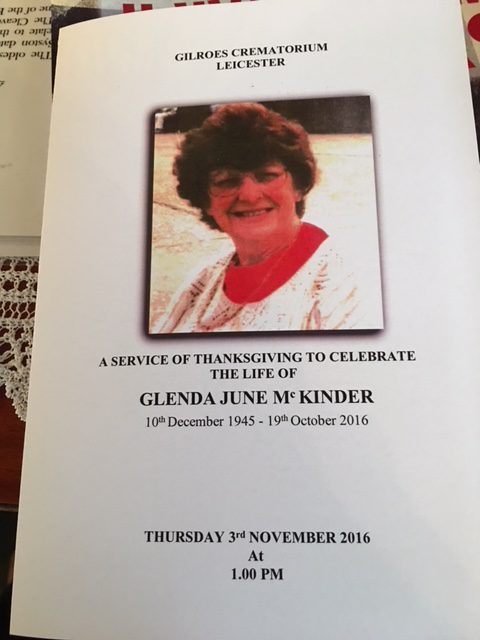
Lynda Rowlands Geschichte schildert ihr Leben als Pflegekraft für ihre geliebte Schwester Glenda und die Schwierigkeiten, denen sich die Familie stellen musste.
Nearly ten years prior to Glenda’s diagnosis and twelve years prior to her untimely death, her ECD journey began. Lynda and family members began to notice slight changes in Glenda’s behavior, such as eating outdated foods, leaving cooking surfaces on, not getting off the bus at her regular stops that she had been using for 13-years, constant thirst, and constantly feeling like she had flu-symptoms. Glenda would even do strange things followed by inappropriate laughter.
Being a normal, sweet, hard-working middle-aged woman, these actions were simply out of the norm, strange, and concerning. The family would call Glenda “dozey” and said that it was just her “funny age.” Unfortunately, these “funny age” actions only worsened and caused even more concern to the family. The excessive thirst was so intense, Glenda began drinking anything and everything that she could get her hands on. Her balance was also becoming less controllable. These two symptoms together left Lynda to think that her sister had just became an alcoholic. Little did they know at the time this was not the case.
Due to government cutbacks, medical resources were not readily available. Lynda thought that a brain tumor could be the cause of Glenda’s new rash behaviors. With a lack of government funding and her doctors believing it was a brain bleed, there were no further tests and believed that it would go away with time.
Like many others, the symptoms didn’t go away, rather they worsened and so did the stress on the family. The symptoms compiled: coughing/choking when eating or drinking, no balance and falling over, bladder failure, bowel incontinence, excessive drooling, more infections, hallucinations, and even more hospitalizations. At one point they catheterized Glenda, which only created more issues. Glenda would tug at the catheter, empty it at inappropriate times and places, or simply didn’t empty it at all. This was very taxing on the family. At this point, she was diagnosed with multi-infarct dementia.
Während die Familie mit dieser Situation zu kämpfen hatte, suchte sie nach Unterstützung! Glenda war damals in ihren 50ern, und es gab einfach keine Selbsthilfegruppe, die ihrer Altersgruppe oder den Bedürfnissen der Familie entsprach. Die einzige verfügbare Unterstützung bot jedoch keine wirkliche Entlastung. Da Glenda als geistig fähig galt, eigene Entscheidungen zu treffen, verschluckte sie sich unter der Obhut dieser Pflegekräfte oft an Essen und Getränken. Obwohl die Familie den Pflegekräften mitgeteilt hatte, dass Glenda bestimmte Speisen oder Getränke nicht zu sich nehmen durfte, war die Pflegekraft verpflichtet, den Wünschen und Bedürfnissen von Glenda nachzukommen.
After nearly 10 years of struggling, “Then the real stuff started to kick in…” says Lynda. Glenda could no longer walk, was doubly incontinent, had a damaged throat from regular choking, and a body structure that mimicked multiple sclerosis. Seeing doctor after doctor, as well as Lynda and the family’s persistence, finally paid-off. They were given a proper diagnosis of Erdheim-Chester Disease.
The diagnosis came as a total shock, after so many years of heartache and not knowing what they were dealing with. Living in the unknown can be very challenging on the body and the mind, but the diagnosis didn’t end the struggle. The diagnosis was not found soon enough to benefit from the drugs that help ECD patients regain some control of their health.
Glenda musste bald in ein Pflegeheim gebracht werden. Glendas Töchter hatten solche Angst davor, dass sie ersticken könnte, dass dies für die Familie buchstäblich zu einem Albtraum wurde. In der Woche vor Glendas Tod sagte sie zu Lynda, dass sie es satt habe, dass sie es satt habe, zu kämpfen. Am 19. Oktober 2016, am Geburtstag ihrer Nichte, verstarb Glenda.
ECD is not only a battle for the patient, it is a struggle for the caregivers and families that surround them. Early diagnosis is very important for ECD patients, as the long-term damage to their organs can often not be reversed.
“Fürsorge ist ein Zustand, in dem etwas wirklich zählt; sie ist die Quelle menschlicher Zärtlichkeit.” – Rollo May