




Lo que tuvo que afrontar una familia británica al enfrentarse a la enfermedad de Erdheim-Chester.
Por Chesnee Green
13 de septiembre de 2018
Los pacientes con la enfermedad de Erdheim-Chester (ECD) libran una batalla diaria por su salud mental y física. Del mismo modo, los cuidadores también libran una batalla diaria. Muchas veces, la historia que se esconde tras la enfermedad no se cuenta ni se escucha. Un cuidador ha tenido la amabilidad de contarnos la complicada historia que se esconde tras la enfermedad y a la que se enfrentan los cuidadores cada día.
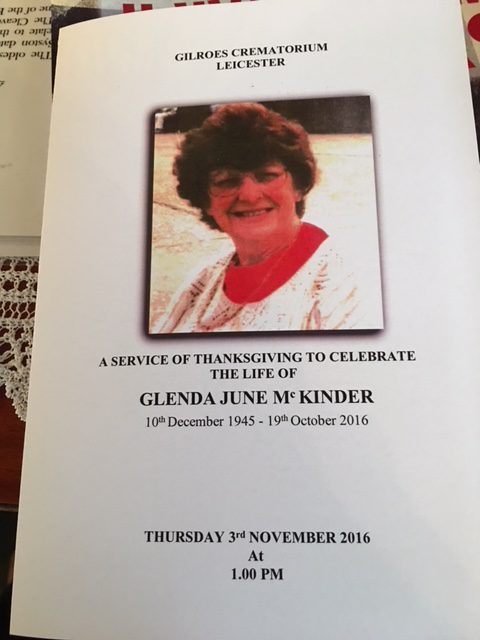
La historia de Lynda Rowland narra su vida como cuidadora de su querida hermana Glenda y las dificultades a las que tuvo que enfrentarse la familia.
Nearly ten years prior to Glenda’s diagnosis and twelve years prior to her untimely death, her ECD journey began. Lynda and family members began to notice slight changes in Glenda’s behavior, such as eating outdated foods, leaving cooking surfaces on, not getting off the bus at her regular stops that she had been using for 13-years, constant thirst, and constantly feeling like she had flu-symptoms. Glenda would even do strange things followed by inappropriate laughter.
Being a normal, sweet, hard-working middle-aged woman, these actions were simply out of the norm, strange, and concerning. The family would call Glenda “dozey” and said that it was just her “funny age.” Unfortunately, these “funny age” actions only worsened and caused even more concern to the family. The excessive thirst was so intense, Glenda began drinking anything and everything that she could get her hands on. Her balance was also becoming less controllable. These two symptoms together left Lynda to think that her sister had just became an alcoholic. Little did they know at the time this was not the case.
Due to government cutbacks, medical resources were not readily available. Lynda thought that a brain tumor could be the cause of Glenda’s new rash behaviors. With a lack of government funding and her doctors believing it was a brain bleed, there were no further tests and believed that it would go away with time.
Like many others, the symptoms didn’t go away, rather they worsened and so did the stress on the family. The symptoms compiled: coughing/choking when eating or drinking, no balance and falling over, bladder failure, bowel incontinence, excessive drooling, more infections, hallucinations, and even more hospitalizations. At one point they catheterized Glenda, which only created more issues. Glenda would tug at the catheter, empty it at inappropriate times and places, or simply didn’t empty it at all. This was very taxing on the family. At this point, she was diagnosed with multi-infarct dementia.
Mientras la familia se debatía en esta situación, buscaban ayuda. Glenda tenía unos 50 años en aquel momento y, sencillamente, no existía ningún grupo de apoyo que se ajustara a su franja de edad ni a las necesidades de la familia. El único apoyo disponible no suponía realmente ningún alivio. Como se consideraba que Glenda tenía capacidad mental para tomar sus propias decisiones, a menudo se atragantaba con la comida y la bebida mientras estaba al cuidado de estos cuidadores. Aunque la familia había indicado a los cuidadores que Glenda no podía tomar determinados alimentos o bebidas, el cuidador estaba obligado a seguir los deseos y necesidades de Glenda.
After nearly 10 years of struggling, “Then the real stuff started to kick in…” says Lynda. Glenda could no longer walk, was doubly incontinent, had a damaged throat from regular choking, and a body structure that mimicked multiple sclerosis. Seeing doctor after doctor, as well as Lynda and the family’s persistence, finally paid-off. They were given a proper diagnosis of Erdheim-Chester Disease.
The diagnosis came as a total shock, after so many years of heartache and not knowing what they were dealing with. Living in the unknown can be very challenging on the body and the mind, but the diagnosis didn’t end the struggle. The diagnosis was not found soon enough to benefit from the drugs that help ECD patients regain some control of their health.
Pronto tendrían que ingresar a Glenda en una residencia de ancianos. Las hijas de Glenda estaban tan asustadas ante la posibilidad de que se ahogara hasta morir, que aquello se convirtió, literalmente, en una pesadilla para la familia. La semana antes de fallecer, Glenda le dijo a Lynda que estaba harta de todo aquello, harta de luchar. El 19 de octubre de 2016, el día del cumpleaños de su sobrina, Glenda falleció.
ECD is not only a battle for the patient, it is a struggle for the caregivers and families that surround them. Early diagnosis is very important for ECD patients, as the long-term damage to their organs can often not be reversed.
“El cuidado es un estado en el que algo sí importa; es la fuente de la ternura humana”. – Rollo May