




Intervenant : Eli Diamond, docteur en médecine
Horaires : de 10 h 50 à 11 h 05
Date : 26 mai 2025 – Rencontre des patients et de leurs familles
Pour de nombreuses personnes atteintes de la maladie d'Erdheim-Chester (ECD), l'atteinte du cerveau et des yeux peut figurer parmi les complications les plus difficiles et les plus effrayantes à affronter. C'est pourquoi cette session, animée par Dr Eli Diamond, is an essential part of the Patient and Family Gathering. Dr. Diamond is not only a leading neuro-oncologist at Memorial Sloan Kettering Cancer Center in New York, but he is also the Chair of the ECDGA Medical Advisory Board and a pioneer in clinical research focused on ECD.
Zoom sur l'atteinte cérébrale et oculaire
ECD is known to affect multiple organs, and in up to half of all diagnosed individuals, it impacts the central nervous system. This can lead to symptoms such as difficulty with balance, vision problems, headaches, or changes in mental function. In some cases, eye involvement includes retro-orbital masses that cause pain or pressure behind the eyes. For many patients, these symptoms may appear gradually and are easily misattributed to other conditions—contributing to delays in diagnosis.
La conférence du Dr Diamond permettra aux participants de comprendre :
- Ce que la science actuelle nous apprend sur comment et pourquoi Dans le cas de l'ECD, le cerveau et les yeux sont touchés.
- Lequel symptômes sont les plus fréquents et devraient donner lieu à des échanges en temps opportun avec un professionnel de santé.
- Comment examens d'imagerie sont utilisés pour surveiller les atteintes neurologiques et oculaires.
- Que sait-on à propos de résultats à long terme, and how treatments may improve or stabilize symptoms.
Cette conférence permettra également aux participants de découvrir plusieurs des projets de recherche en cours menés par le Dr Diamond, notamment des travaux portant sur la effets neurologiques des traitements ciblés, et les progrès réalisés dans les techniques de biopsie that aim to make diagnosis safer and more accurate for patients with brain or orbital lesions.
Pourquoi les travaux du Dr Diamond sont importants
Dr. Diamond has been at the forefront of many of the most meaningful advancements in ECD research over the past decade. He has led clinical trials for medications like vemurafenib and cobimetinib which have led to FDA approval of these treatments for ECD patients. He has published extensively on ECD-related neurologic symptoms, and co-founded the ECD Patient Registry, a tool that allows patients to contribute to global research from their own homes.
He brings a unique combination of clinical experience, research knowledge, and compassion to his work. He understands that symptoms affecting the brain and eyes are not only physically challenging but emotionally overwhelming. Through his leadership, patients are receiving earlier diagnoses, more effective care, and greater hope.
À quoi s'attendre lors de cette session
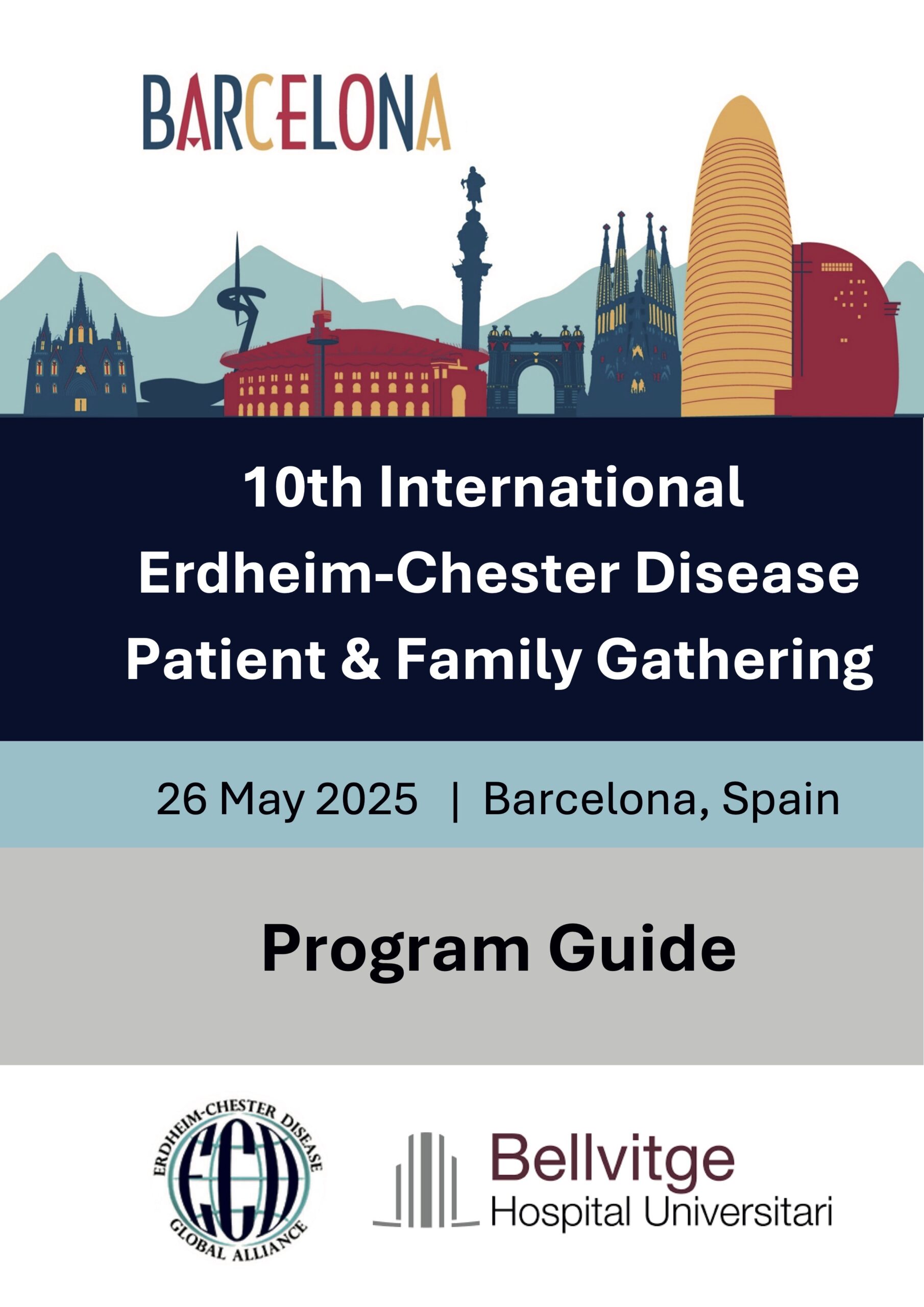 This will be a focused, accessible presentation intended for patients and caregivers who may be navigating neurological symptoms, living with vision changes, or simply looking to understand more about this aspect of ECD. While no personal medical advice will be given, Dr. Diamond’s insights may help attendees ask better questions of their own physicians and feel more informed about the complexities of this disease.
Que vous participiez en tant que patient, proche ou professionnel de santé, cette session vous offre l'occasion d'apprendre directement auprès de l'un des plus grands experts mondiaux en matière d'atteinte neurologique dans le cadre de la maladie d'Erdheim-Chester.