









Erdheim-Chester Disease (ECD) is a rare histiocytic disorder that often goes undiagnosed for years due to its varied and complex symptoms. Early recognition by both patients and medical professionals is crucial for timely intervention and improved outcomes.
¿Por qué es importante el diagnóstico precoz?
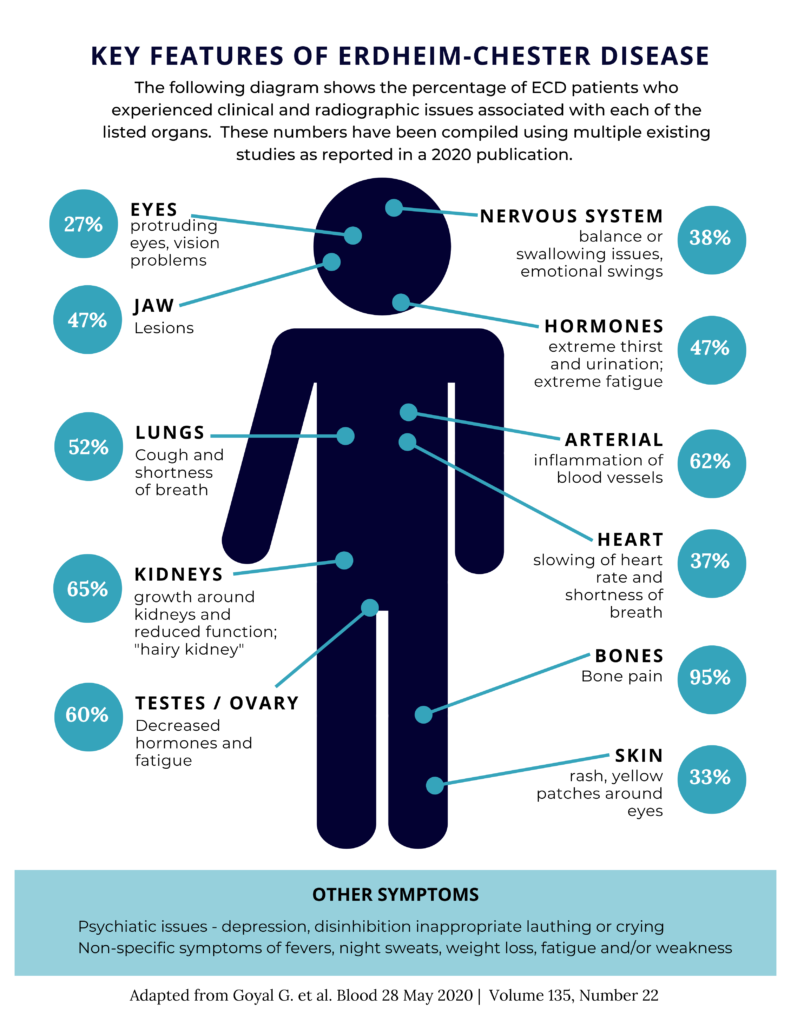
Many patients with ECD experience symptoms for years before receiving a proper diagnosis. Since ECD can affect multiple organs—including, but not limited to bones, kidneys, brain, and heart—misdiagnosis is common. The earlier a patient is diagnosed, the sooner they can access specialized care and potential treatment options that may slow disease progression.
Signos clave para los profesionales sanitarios
Medidas que pueden tomar los pacientes
Patients with unexplained multi-organ issues that are consisted with ECD symptoms should talk to their doctor. If ECD is suspected, working with a multidisciplinary team experienced in histiocytic disorders is essential.
Cómo la sensibilización contribuye a la investigación y al tratamiento
Al dar a conocer mejor la enfermedad de Erdheim-Chester, más pacientes podrán recibir un diagnóstico oportuno y acceder a la atención adecuada. Esto también impulsa la investigación continua sobre la enfermedad, lo que da lugar a avances en el tratamiento y a una mejor calidad de vida para las personas afectadas.
La Alianza Global contra la Enfermedad de Erdheim-Chester (ECDGA) no ofrece asesoramiento médico, diagnósticos ni tratamientos. Todo el contenido tiene carácter meramente informativo. Si tiene alguna duda médica, consulte a un profesional sanitario.