












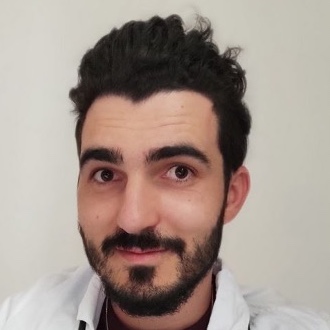
Francesco Peyronel, MD (Meyer Children’s University Hospital – IRCCS, Firenze, Italy)
Year Awarded: 2024
Amount: 50,000 USD
Survival of patients affected by Erdheim-Chester disease (ECD) has substantially improved over the last decades, thanks to the increased awareness of the disease, the consequent earlier diagnosis, and the use of novel therapies targeting specific mechanisms of key relevance in the disease development. However, patients with ECD still experience significant long-term sequelae, such as neurological disturbances, renal insufficiency, and drug-related toxicity. A more comprehensive evaluation of patients with ECD should therefore assess not only their survival probability but also the development of such long-term consequences.
To date, no large-scale study has evaluated the prognosis of patients with ECD, nor developed a predicting tool capable of defining the probability of survival or chronic disease-related disabilities. The present study aims at developing a comprehensive scoring system for patients with ECD that takes into account several clinical factors which, together with patient-reported measures. This tool will be used to predict the risk of death and of other disease-related consequences.
Both clinicians and patients would benefit from this scoring system: it would be of great usefulness in everyday clinical practice, since it could guarantee an improvement in patients’ evaluation, not only defining the probability of survival but also clarifying the risk of other specific long-term outcomes. Moreover, patients and families would receive more accurate prognostic information, becoming aware of the risk of specific long-term sequelae and eventually being able to improve their means to prevent the rapid progression of chronic disturbances.
Interim Report
This project aims to develop a comprehensive scoring system to predict survival and long-term disease-related outcomes in ECD patients. Specifically, it aims to identify predictors of long-term outcomes, including the role of clinical clustering, and analyze changes in prognosis over time by comparing historical eras. The study aims to recruit the largest ECD cohort to date.
Study Design
- Patients are recruited from centers of the ECD Global Alliance (ECDGA) network, with data collection coordinated by Meyer Children’s Hospital IRCCS (Florence, Italy).
- Survival analysis will include all patients, while long-term sequelae prediction will focus on a subgroup with available data.
Key Variables and Methodology
- Data will cover demographics, disease clustering, comorbidities, organ involvement, treatment details, and patient-reported outcomes (e.g., disability, quality of life).
- Outcomes will be evaluated at 1-, 5-, and 10-year post-diagnosis.
- Statistical analysis: Cox regression for survival predictors, root-cause analysis for mortality, and multivariable modeling for chronic disease sequelae.
- A scoring system will be developed and internally validated for clinical use.
Summary of Progress – Data Collection
The primary objective of our study remains the development of a robust and comprehensive database, which is now nearing completion. Specific accomplishments include:
- we have collected data across all participating centers
- the number of patients included in the database is 1198
- data quality control procedures are in place to ensure consistency and reliability across different sources.
Next Steps
- Finalizing data collection and conducting a thorough quality check of the existing dataset
- Performing an interim analysis to generate preliminary findings
- Continuing to expand the database, by integrating remaining patient data
- Developing survival curves and identifying key prognostic variables
- Building and internally validating the final prognostic scoring system
- Preliminary dissemination of findings:
Conclusion
The project continues to progress steadily and in line with the original objectives. With data collection nearly complete and the interim analysis approaching, we are entering a critical phase focused on the development of survival models and the prognostic scoring system.
We remain fully committed to the next steps and are grateful for the ongoing support from the ECD Global Alliance, which has been instrumental in advancing this work