
 rare connect

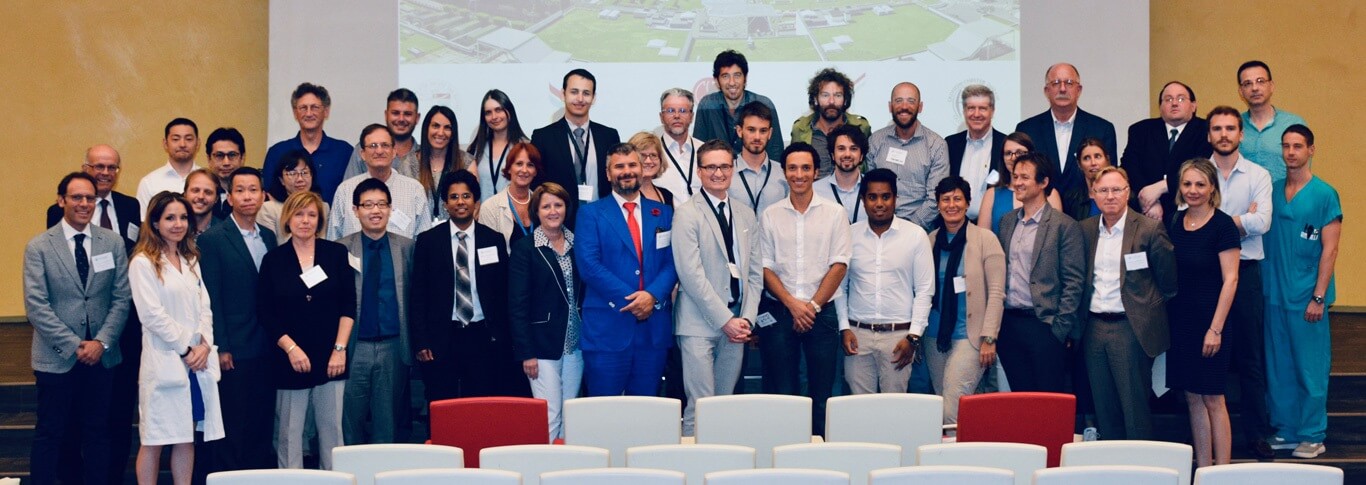

Together we are strong!
ECD Global Alliance – Providing Support!



You are not alone!
ECD Global Alliance – Providing Support!


Together towards tomorrow!
ECD Global Alliance – Providing Support!

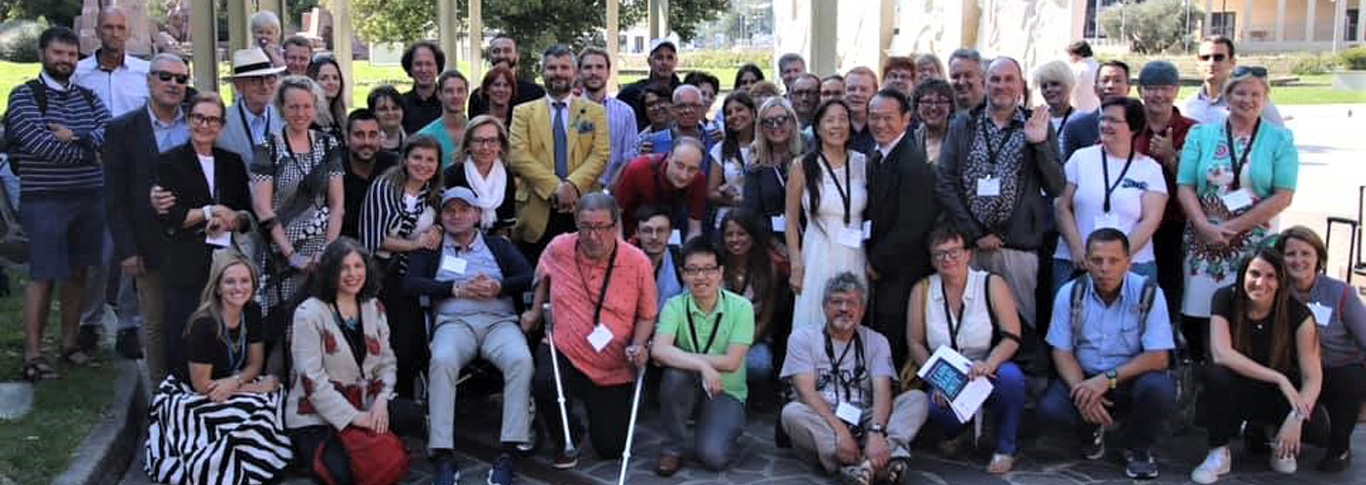

Together we help you!
ECD Global Alliance – Providing Support!
What is Erdheim-Chester Disease?
Erdheim-Chester Disease is an extremely rare disorder that can affect many different organs of the body. It is characterized by excessive production and accumulation of specific cells whose normal function is to fight infections. These cells, which are called histiocytes, infiltrate the loose connective tissue of the body. As a result this tissue becomes thickened, dense and fibrotic. Multiple different organs can be affected. Unless successful treatment is found, organ failure can result.
 Read More
Announcements
-
 ERDHEIM-CHESTER
Patient Gatherings

BREAKING NEWS: FDA-Approval for Cobimetinib!
"Living with ECD can be a hard thing to go through and even harder for your family to watch," said Scott Schriner, an ECD patient who participated in the trial. "New treatments, like cobimentinib, are a true blessing because they allow us to live fuller lives and spend more quality time with the ones we love. I would like to thank Memorial Sloan Kettering Cancer Center, the ECD Global Alliance, and all of the other ECD patients who contributed to this approval."

-
 ECD MEDICAL
Symposium
ECD CARE CENTER NETWORK
A network of ECD Care Centers is available to help patients find knowledgeable doctors to confirm a diagnosis and to provide treatments and ongoing care. These institutions are committed to having a team of specialists available to provide the best care to ECD patients. Additionally, there are ongoing ECD trials/studies that are currently accepting ECD patients. Contact our Patient Navigator for more information.
-

 Newly Diagnosed Patient
What steps should I take?
Newly Diagnosed Patient
Newly Diagnosed Patient
What steps should I take?
-

 Patient/Family Member
Where can I find more information?
Patient/Family Member
Patient/Family Member
Where can I find more information?
-

 Caregiver/carer
How do I care for myself?
Caregiver/carer
Caregiver/carer
How do I care for myself?
-

 Medical provider
Where can I find resources?
Medical provider
Medical provider
Where can I find resources?
-

 Researcher/investigator
How can I further my research?
Researcher/investigator
Researcher/investigator
How can I further my research?
-

 Latest news/updates
What is New?
Latest news/updates
Latest news/updates
What is New?


